This checklist grew out of version and labeling differences found while researching Japanese products. It does not provide access to a universal government or manufacturer formula database. Some links may be affiliate links; commissions do not affect what is included.
Formulas get updated, package sizes change, and companies get bought and renamed, sometimes all without much fanfare. If you’re buying Japanese beauty products through a US retailer or reseller, you may be looking at a listing that hasn’t caught up with the current version. Here’s what we’ve learned about spotting the gap, based on patterns we ran into while researching other products.
Why This Happens More With Japanese Products
When you’re buying through an importer, reseller, or a retailer that doesn’t restock often, the product photos and description can lag behind what the brand currently sells in Japan. Add in company restructurings, ingredient reformulations that aren’t always widely announced, and inconsistent third-party ingredient databases, and it’s easy to end up unsure whether what you’re looking at is current.
Five Real Examples We Ran Into
A sunscreen with at least three ingredient-list versions. Researching Bioré UV Aqua Rich Watery Essence (see our Bioré UV Aqua Rich Watery Essence review), we found ingredient lists for 2019, 2023, and 2025 versions on a third-party database, tied to a February 2025 reformulation Kao announced under a new “micro-defense” name. Kao’s own retail page’s listed main ingredients matched what looked like the pre-2025 formula, we couldn’t fully confirm which version the page was actually describing.
A brand name that changed, but the retail listing didn’t. Fino (see our Fino Premium Touch Hair Mask review) and TSUBAKI (see our TSUBAKI Premium Repair Mask review) are both currently owned by FineToday, a company that spun off from Shiseido’s personal care division in 2021. Some US retailers still sell both under “Shiseido” branding years later.
An official site that abbreviates its own ingredient list. CANMAKE’s official product page for its Mermaid Skin Gel UV (see our CANMAKE Mermaid Skin Gel UV review) lists a partial set of ingredients before summarizing the rest as “and more.” We only found the full list on a third-party ingredient database, which is a secondary source, not the brand’s own confirmation.
A display name that isn’t the legal product name. TSUBAKI’s brand site displays “Premium Repair Mask,” while the actual registered product name is “Premium EX Repair Mask.” Two different pages on the same third-party database showed slightly different ingredient orders for what was presumably the same product.
A reformulation implied by a database note, not a brand announcement. A third-party database’s 2022 listing for Naturie’s Hatomugi Skin Conditioner, covered in our Best Japanese Lotions for Dehydrated Skin roundup, includes a note that the product is “now alcohol-free,” implying an earlier version wasn’t, something we didn’t find stated directly on the brand’s own current product page.
A Practical Checklist
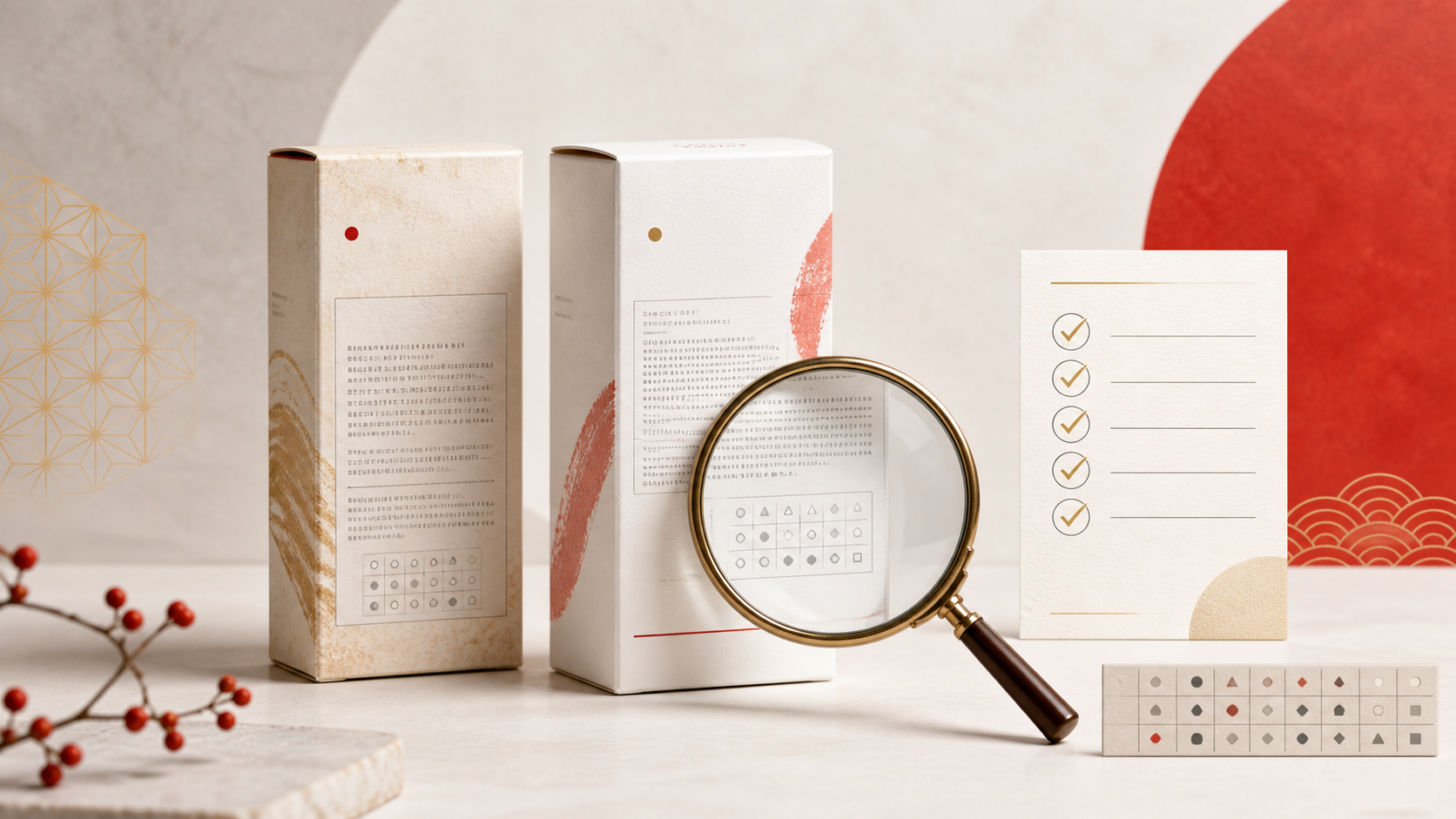
- Check the brand’s official site for a launch or renewal date. Companies sometimes announce reformulations in press releases or “NEW” labeling, even if they don’t update every retail description that quickly.
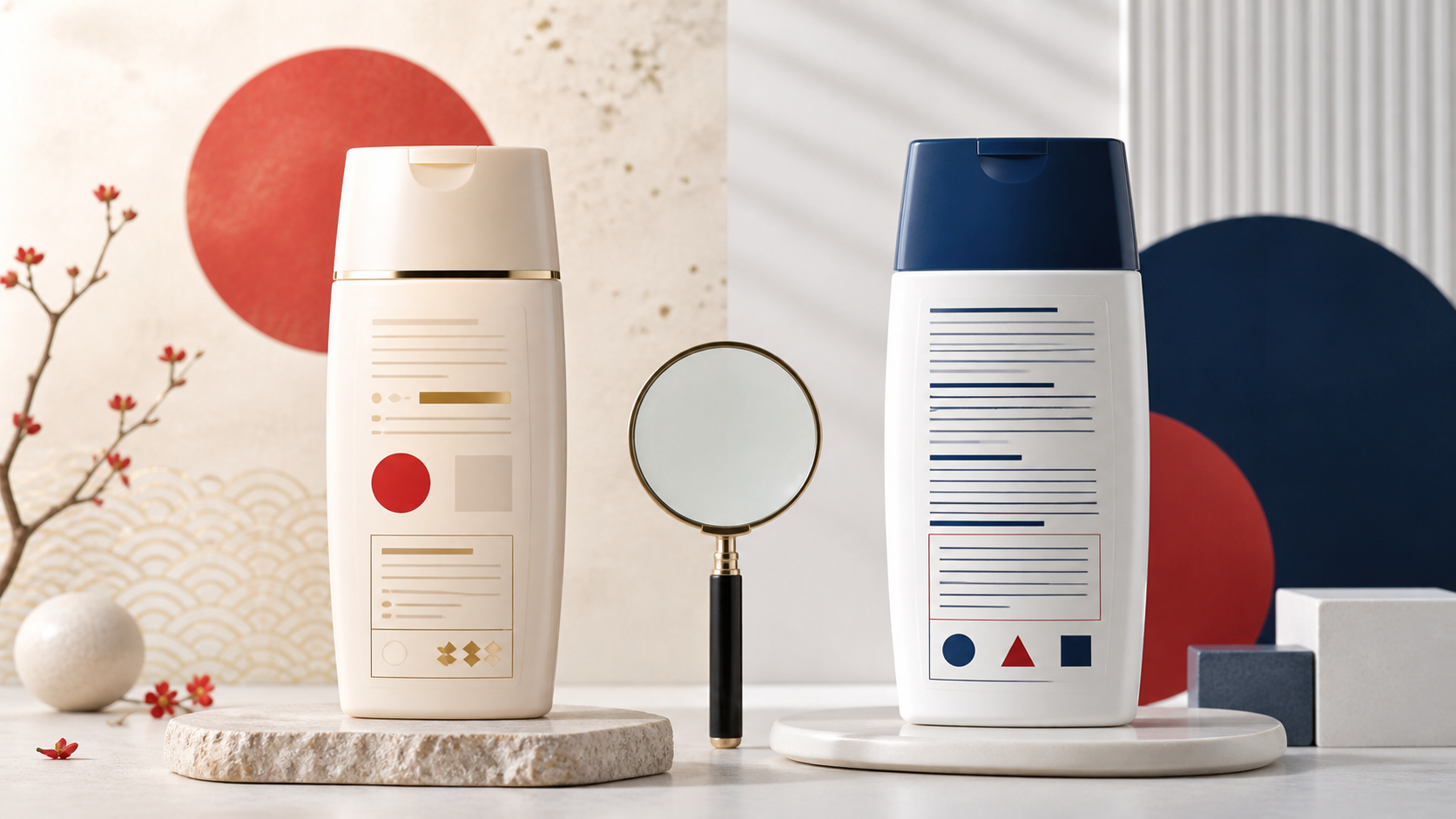
- Compare the ingredient list on the retailer’s page against the brand’s own official page, not just against a third-party database, since retailer pages can be outdated too.
- Look at more than one third-party ingredient database entry if you can find them. We found cases where two listings for what should be the same product showed different ingredient orders, which suggests at least one is out of date or mislabeled.
- Check the package size and any printed manufacturer name against the current official listing. A size or company-name mismatch (like outdated “Shiseido” branding) can be a sign you’re looking at an old description, even if the physical product itself is current.
- When in doubt, buy from the brand’s official site or an authorized retailer rather than a marketplace listing with an unclear origin, since official channels are more likely to reflect the current formula.
When You Can’t Fully Confirm It
Sometimes you won’t be able to fully resolve the question, official pages can be ambiguous, and third-party sources can disagree with each other, as several of the examples above show. When that happens, we’d rather say so directly than guess. If a specific formula version matters to you (for an allergy or sensitivity, for example), buying directly from the brand’s official Japan site, where feasible, is the more reliable option than piecing it together from secondary sources.
Our Verdict
- Trust the brand’s own current official page over a retailer listing if the two disagree, and treat the retailer listing as potentially outdated.
- Cross-check more than one third-party ingredient database if you’re relying on one for a full ingredient list, since we’ve found inconsistencies between listings for the same product.
- Don’t assume outdated branding (like an old parent-company name) means the product itself is outdated if the size, packaging, and ingredient list otherwise match the current version, that’s usually just a labeling lag.
- Buy from an official or authorized source if a specific current formula matters to you for a health-related reason, rather than relying on a description you can’t fully verify.
Frequently Asked Questions
Does an older formula mean a product is expired or unsafe?
Not necessarily. A reformulation is usually a marketing or ingredient update, not a safety issue with the older version. Check the product’s own expiration or manufacturing date for safety-related freshness, separately from the formula-version question.
Why do US retailers sometimes use an old brand name?
Often simply because updating product listings after a corporate change isn’t a priority for every retailer, especially smaller resellers. We saw this with Fino and TSUBAKI, both still listed under “Shiseido” by some US sellers years after moving to FineToday.
Is there one official database I can check?
Not one we’re aware of that covers Japanese cosmetics comprehensively and reliably. We used a mix of brand official pages and a third-party ingredient database for our own research, and found disagreements even between entries on the same database, so we’d recommend cross-checking rather than trusting a single source.
Sources and limits
The checklist is based on version, packaging, and naming differences encountered across official Kao, CANMAKE, and FineToday product pages, with a third-party ingredient database used for additional comparison where noted. It is a practical method for checking a listing, not a complete formula registry. Last checked August 13, 2026.
Comments